
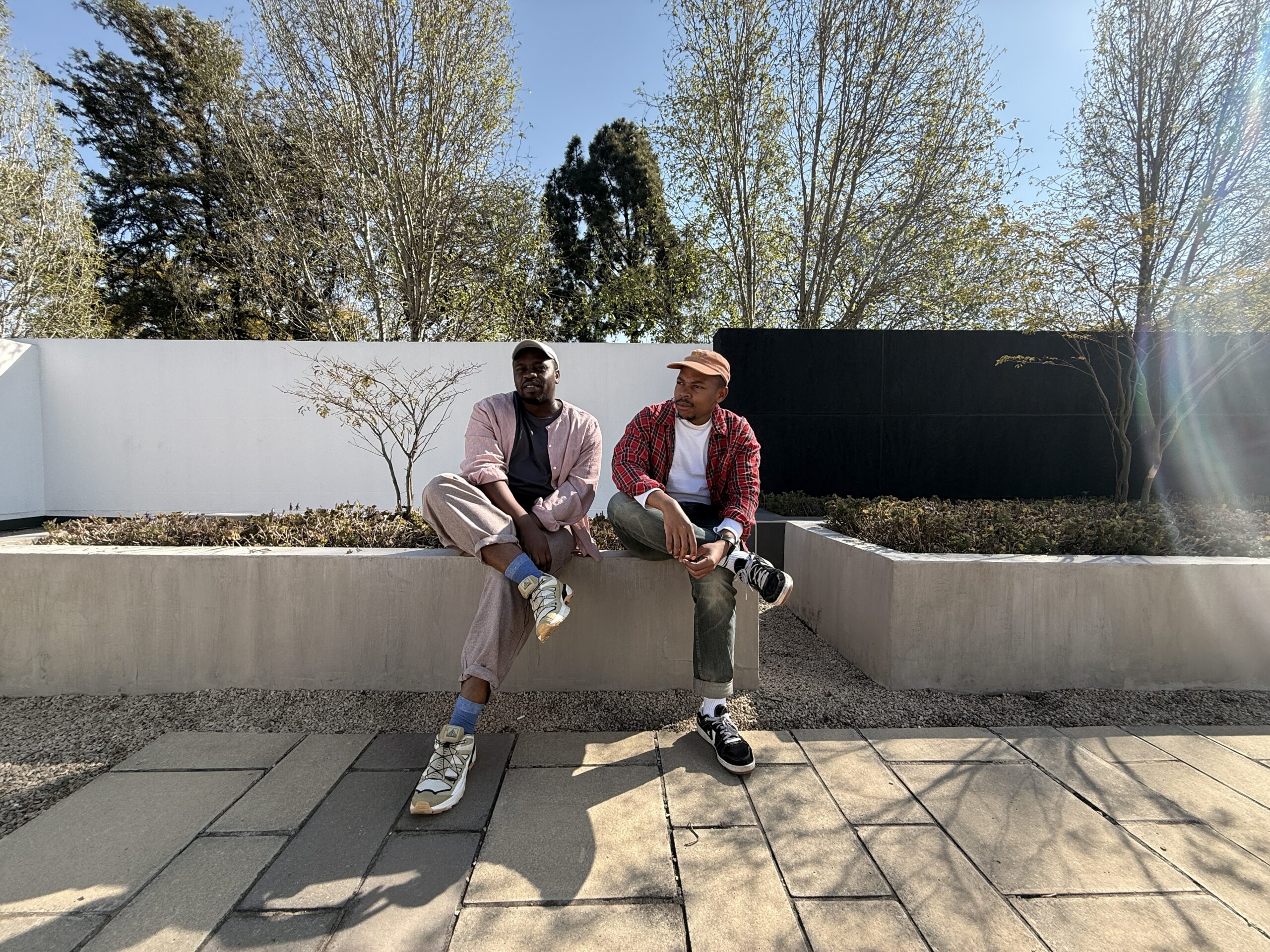
Interview 01: Nzaliseko Maponye
Boitumelo: Do you remember the moment you consciously knew that creativity and visual expression were the languages you understood and wanted to communicate through moving forward in life?
Nzaliseko: Yes, I do, man. There are a couple of moments, but the most significant was when I enrolled at an art school at the age of 16. I dropped Geography for Visual Arts. I had promised my mother that I would take at least one viable subject, so I chose Geography but later dropped it. So, I majored in Visual Arts and Design. That decision was bad for my APS going into varsity, so there was no turning back at that point, I guess.
I don’t care much for being understood, though it’s cool not having to explain myself.
Boitumelo: What do you think matters most: being heard or being understood? The reason I ask is that being heard can make you feel validated and gives you space for your voice to echo through rooms far and wide, while being understood—especially by the right people—can resonate in a different way.
Nzaliseko: I don’t care much for being understood, though it’s cool not having to explain myself. Being heard, I think, is of more importance because then I have a platform to pass on the little knowledge I possess. Hopefully, eventually, the bits and pieces make sense when they’re encapsulated together, and people can have somewhat of an idea about how I go about life.
Boitumelo: Your art has a friendliness that you would associate with childhood and innocence; however, it also has heavy and dark undertones. What drove the sentiment to blend these two worlds?
Nzaliseko: I wouldn’t call it dark, hey, but I get you. The reason I approach my practice in this manner is the same reason humans tell stories about dinosaurs or aliens. Some subjects have to be spoken of in parables while Trojan-horsing the real intended message underneath the caramelised sugar. Before you know it, you’re chewing on an apple, and hopefully, that keeps the doctor away. You know what I mean?
Boitumelo: Do you think that, throughout your evolution and journey as an artist, there will ever be a final form? And what would that look like?
Nzaliseko: One of my favourite rap lines is, “The devil ambidextrous, pony had one trick.” That’s Billy Woods on a song called Checkpoints. This line, to me, means that we have to keep evolving as humans to avoid becoming bitter about the world leaving us behind.
The subject I’ve settled on tackling—studying the human condition—is forever evolving. All we have to do is mind the gap between the old and the new while fully living in the present, I think.
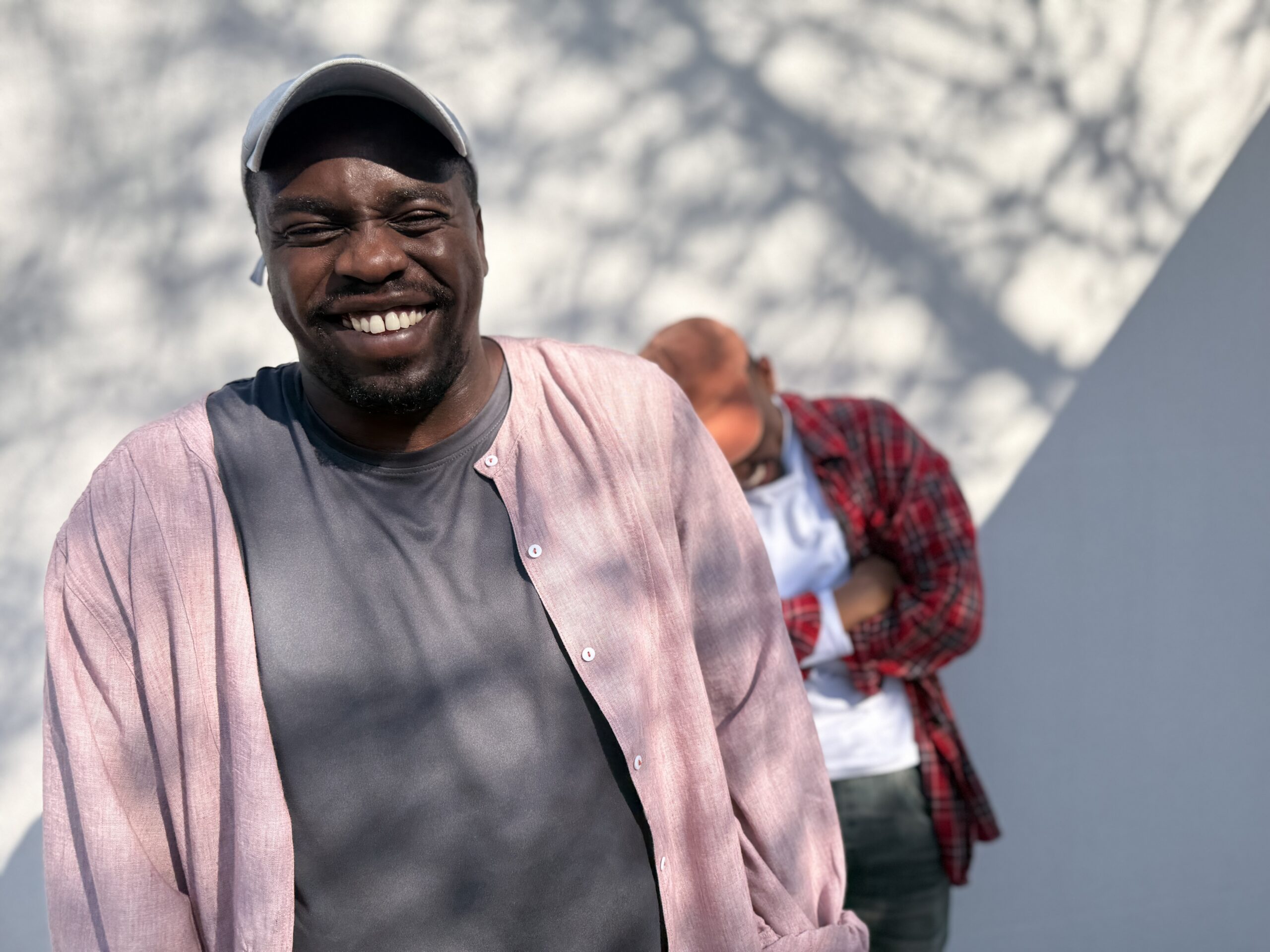
Some subjects have to be spoken of in parables while Trojan-horsing the real intended message underneath the caramelised sugar.
Boitumelo: There is a time and a place for everything, and you practise two disciplines: painting and sculpture. Could you describe the rooms where both mediums can either live together or separately?
Nzaliseko: It’s been done countless times before, man. It’s nothing new. These two mediums can seamlessly live in the same room as part of the same idea. My thing is, as long as the subject matter is cohesive, they can live together without raising any doubt. I’d even add more mediums if I were ready for a limitless-budget solo show.
This can be done in any room, as long as there are walls and plinths. Best believe, we’re putting on a show.